


 Hotline
 Reservation
scroll
Offers
2026/01/09
Japanese New Year (Oshōgatsu) – Timeless Traditions and Cultural Experiences at Roygent Parks Hanoi
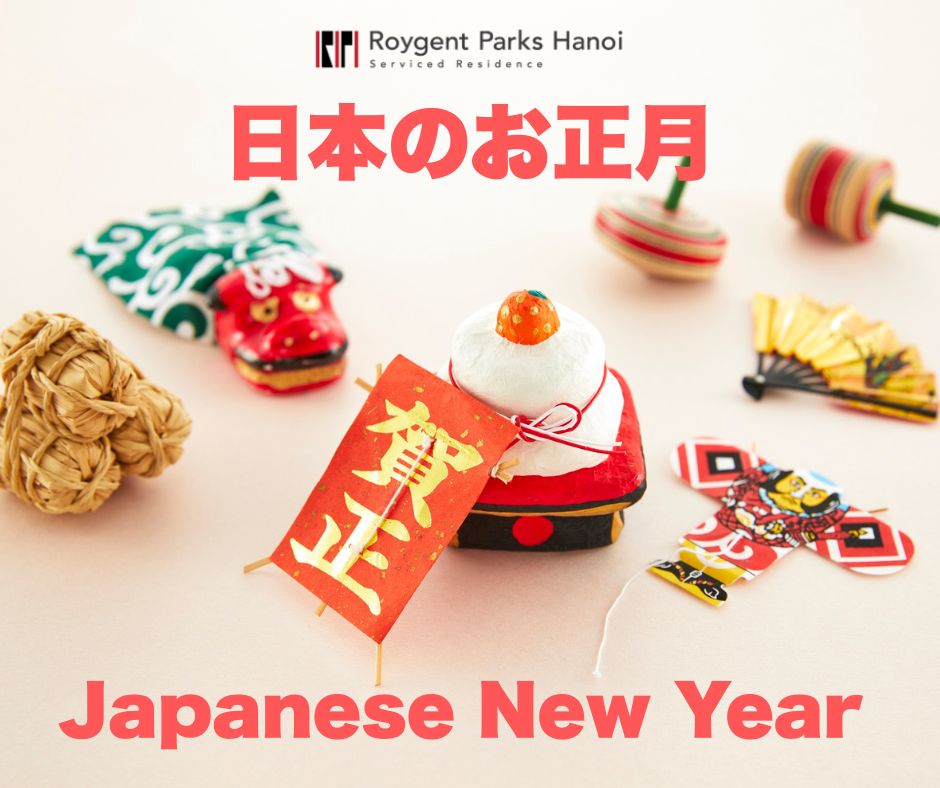
Japanese New Year (Oshōgatsu) is one of the most important celebrations in Japanese culture. Rather than being lively or extravagant, Oshōgatsu represents a moment of renewal, family bonding, and deep respect for long‑standing traditions. For the Japanese community living in Vietnam, continuing these familiar New Year customs holds special emotional significance.
Oshōgatsu – A Symbolic New Beginning
Unlike many other Asian countries, Japan celebrates the New Year on January 1st. This period is dedicated to family time, rest, and recharging for the year ahead. Oshōgatsu reflects the Japanese way of life: calm, orderly, and offering a sense of peace for a meaningful new beginning.
Ōsōji – Cleansing the Past, Refreshing the Spirit
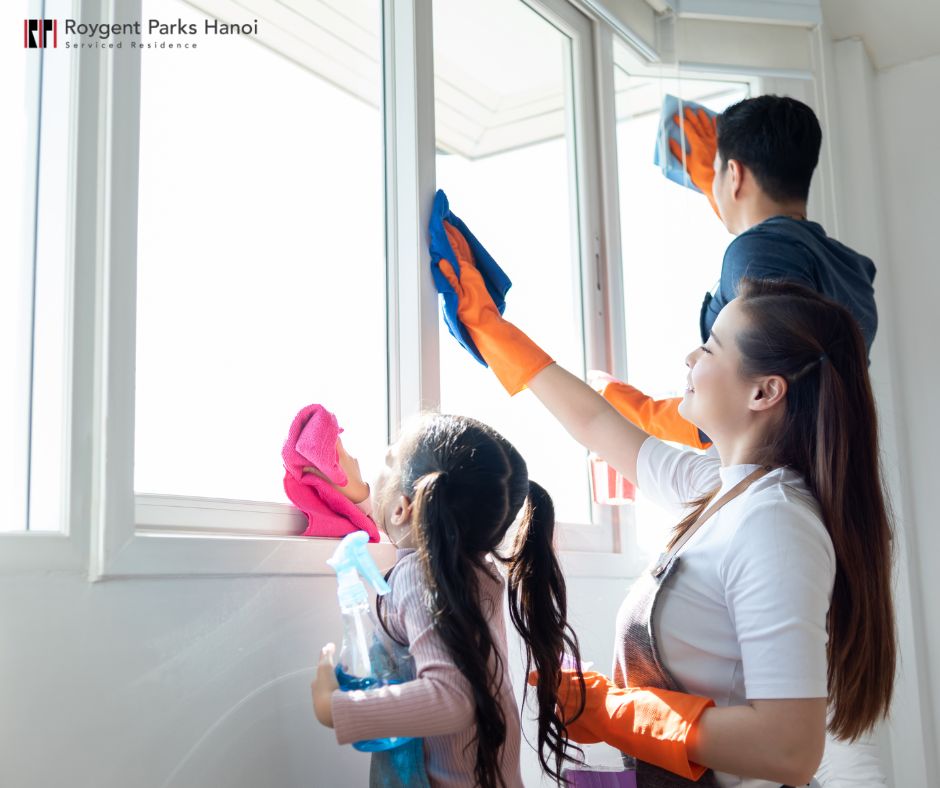
Before the New Year arrives, Japanese households practice Ōsōji, a traditional year‑end deep cleaning. This ritual symbolizes letting go of misfortune from the past year and preparing a clean, welcoming space for good fortune in the year to come.
Traditional Decorations – Quiet Symbols of Hope and Protection
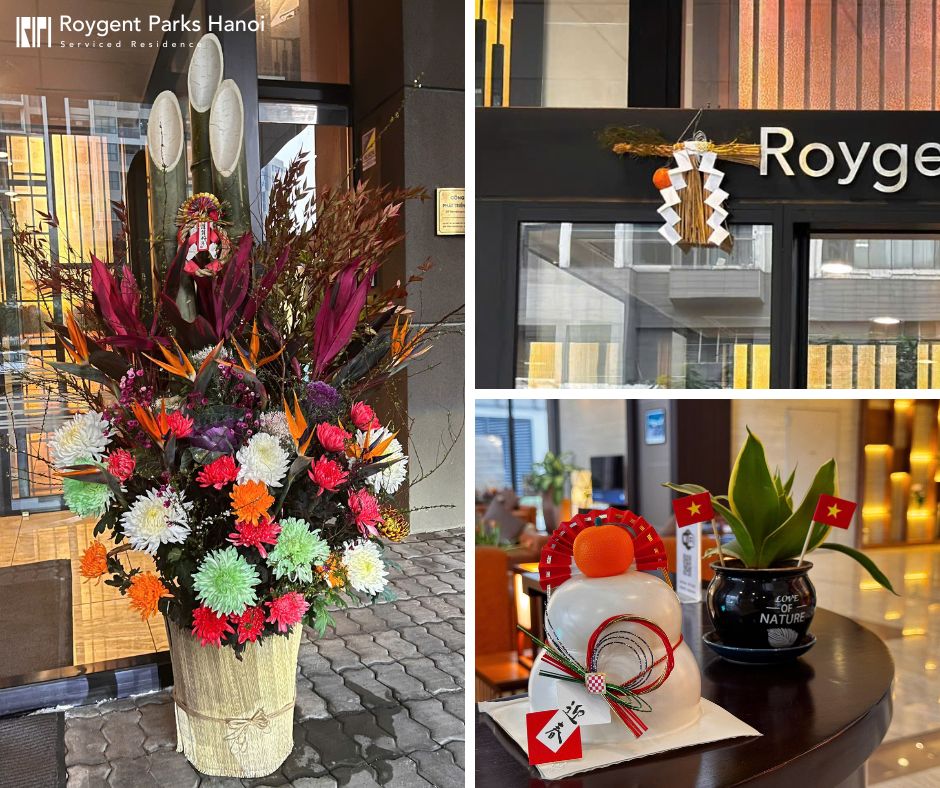
During Oshōgatsu, Japanese homes are adorned with traditional decorations, each carrying symbolic meanings and heartfelt wishes for the New Year:
- Kadomatsu (pine and bamboo): placed at entrances as a welcoming sign for the deities, symbolizing health and prosperity
- Shimenawa (sacred straw rope): marking a purified boundary that wards off misfortune and protects the home
- Kagami Mochi: more than a decorative rice cake, it is believed to be a resting place for the gods and represents harmony and completeness
Simple in appearance yet rich in meaning, these decorations quietly reflect the Japanese reverence for tradition.
Mochi and Mochitsuki – A Symbol of Togetherness
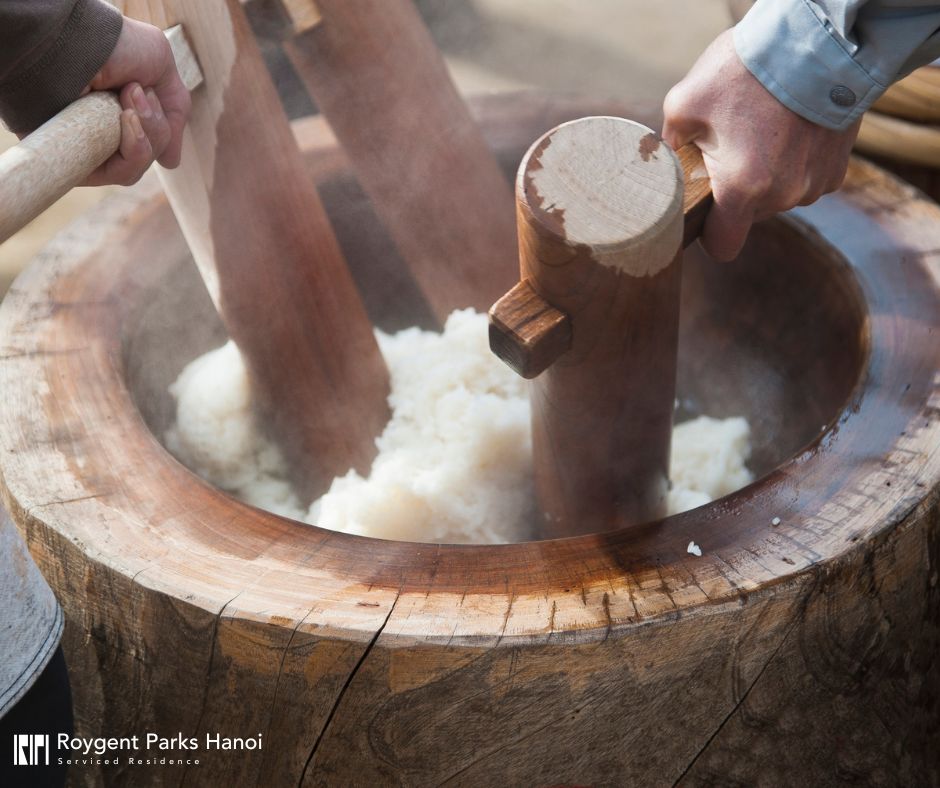
Mochi is an essential part of the Japanese New Year. The traditional Mochitsuki (mochi‑pounding) ritual requires teamwork and rhythm, making mochi a symbol of unity, togetherness, and wishes for good health.
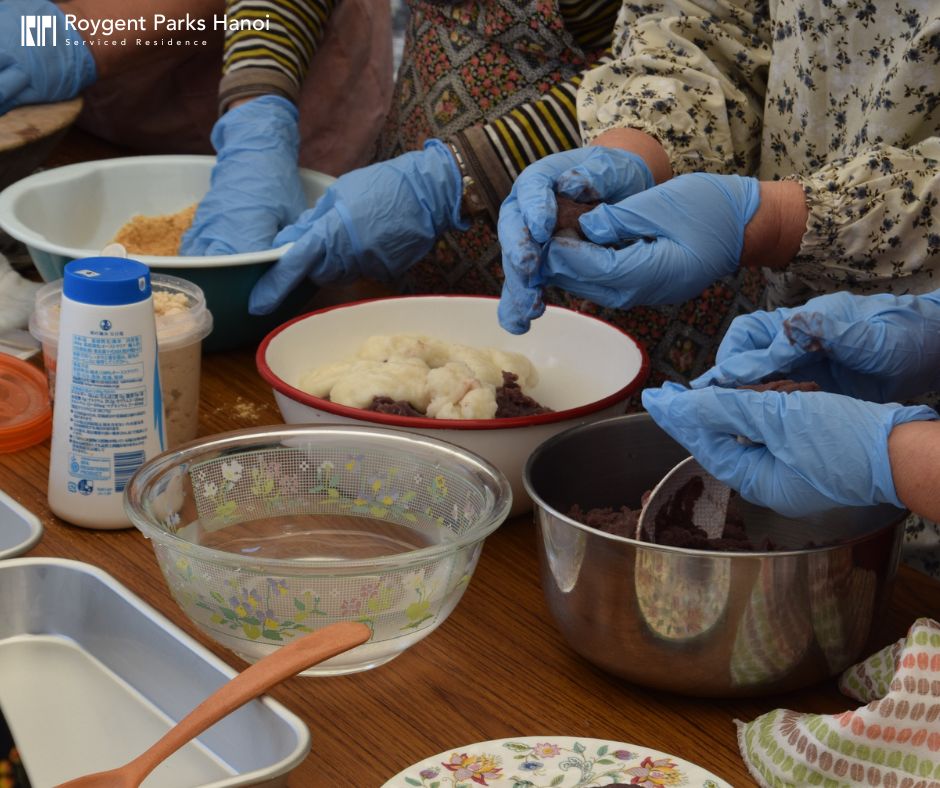
Mochi Event at Roygent Parks Hanoi – Bringing Japanese New Year Traditions to Life
Understanding the importance of Oshōgatsu for the Japanese community, Roygent Parks Hanoi hosts an annual Mochi Event for Japanese residents and in‑house guests.
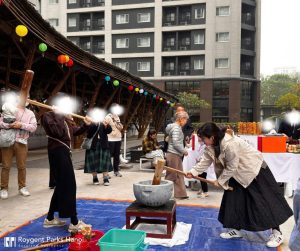
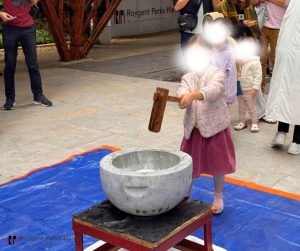
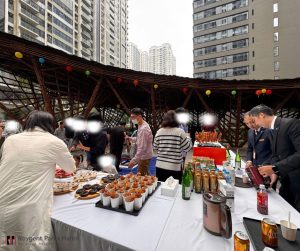
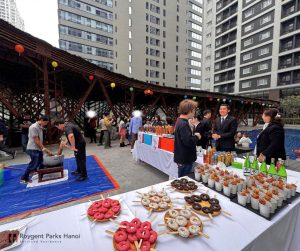
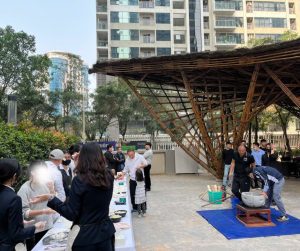
On January 4th, the Mochi Event was successfully held in a warm and welcoming atmosphere, gathering residents and guests to celebrate the New Year together. The traditional mochi‑pounding activity created joyful moments of connection, allowing participants to share laughter, New Year wishes, and a comforting sense of familiarity – much like celebrating the New Year back home in Japan.
The event recreates the warmth of a traditional Japanese New Year through mochi‑pounding activities, community interaction, and a welcoming atmosphere infused with Japanese spirit. More than a cultural activity, it serves as a bridge connecting Japanese residents in Vietnam with the traditions of home.
Through the Mochi Event, Roygent Parks Hanoi aims to deliver a true “Home away from home” experience, where residents can not only stay, but truly belong.
Why Roygent Parks Hanoi Is an Ideal Choice for the Japanese Community
- A peaceful living environment with Japanese‑style hospitality standards
- An international resident community with a strong Japanese presence
- Regular cultural events that foster connection and preserve tradition
At Roygent Parks Hanoi, the Japanese New Year is not merely the start of another year, but a continuation of cherished traditions in the heart of Hanoi.
📍 Contact Roygent Parks Hanoi
Address: 289 Khuất Duy Tiến, Đại Mỗ Ward, Hanoi
Tel: (+84) 24-3232-3760
Email: roygent@dtdevelopment.vn
Website / Inquiry form: https://hanoi.roygentparks.com/contact/
Contact Us
For inquiries about hotel stay or living in Roygent Parks Hanoi
please contact here.